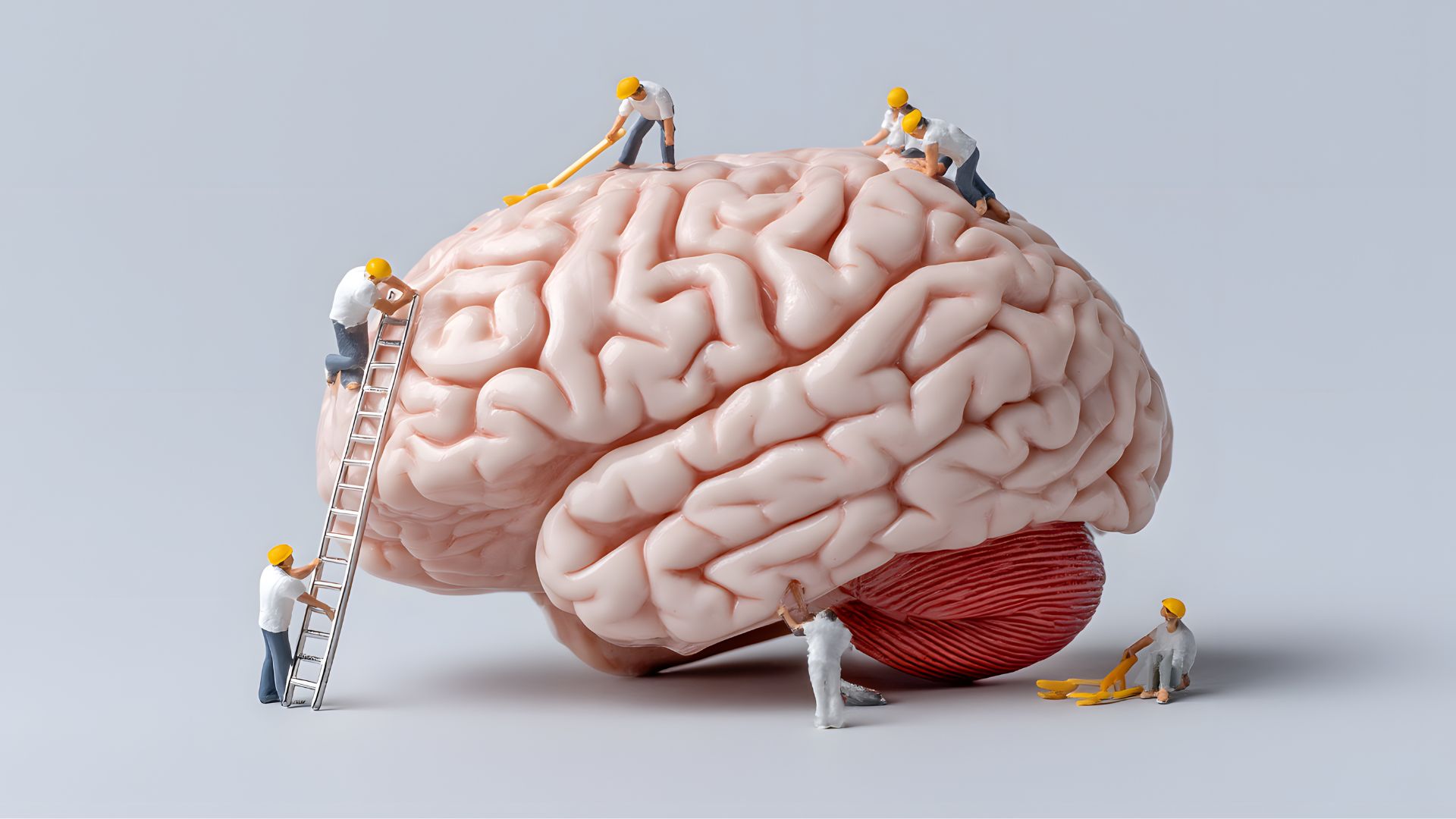

For decades, meditation was presented as an all-or-nothing pursuit. The image was familiar: monks in mountain temples, long retreats, hours of silence. But a quieter revolution has been taking place in the lab. Scientists are now asking a different question: how little is enough to make a difference?
Increasingly, the answer is: less than you think.
A Dose, Not a Devotion
Researchers have begun treating meditation the way medicine is studied — in doses, frequencies, and measurable outcomes. The results are striking.
A 2024 meta-analysis in Frontiers in Psychology reported that just ten minutes of daily practice sharpened working memory and emotional regulation within a month. A trial at University College London found that thirteen minutes a day reduced anxiety and lifted mood. An NIH-backed study in Nature Human Behaviour showed that twelve minutes a day, over six weeks, reshaped the wiring of the brain itself.
The message is clear: like exercise, meditation follows a dose curve. Hours aren’t required. Consistency is.
Minutes That Reshape the Mind
What actually happens in those short sessions?
Imaging studies show stronger connections between the prefrontal cortex — the part of the brain that plans and regulates — and the amygdala, the brain’s internal alarm system. In practice, this means stress signals are calmed faster. EEG recordings pick up shifts in alpha and theta rhythms, linked with calm, creativity, and learning.
“Even short bursts of practice seem to prime the nervous system,” said Dr. Amishi Jha, a neuroscientist at the University of Miami. “We’re finding that minutes matter, not just hours.”
Why Less Is More
The implications reach beyond the lab. Long meditations intimidate beginners; they feel like another demand on already strained schedules. A realistic “minimum effective dose” reframes mindfulness as hygiene rather than discipline.
Like brushing your teeth — two minutes twice a day to prevent decay — ten minutes of daily practice may keep the mind from clogging with the stress and distraction of modern life.
Beyond the Brain
The benefits extend into the body. Heart rate variability, a marker of vagal tone and stress resilience, improves with short daily practice. Cortisol, the main stress hormone, steadies. In one USC study, twelve minutes of Kirtan Kriya meditation lowered markers of cellular aging in middle-aged adults.
Small inputs, large systemic effects.
What Comes Next
The next questions are already on the table. Do short daily practices compound over decades the way exercise builds long-term health? Which formats — breathing, body scan, loving-kindness — are best for which outcomes? Could meditation “dosage” be tailored by age, stress load, or baseline cognitive function?
What’s emerging is a vision of meditation not as mystical pursuit but as mental fitness: simple, scalable, and non-negotiable. The debate is no longer whether it works. The real question is whether society will adopt it as daily hygiene.
An Invitation
For anyone curious about testing the “minimum effective dose” outside of a lab, communities are already experimenting. One is Zen on 10 — a free daily meditation circle where people gather online for ten minutes at the same time each day. The idea is simple: show up, breathe together, and let the rhythm of consistency do the work.
Because the science is clear: minutes matter. And what those minutes become, over weeks and months, may reshape not just the brain — but the texture of everyday life.
No responses yet